Building a clear, organized PTA binder is one of the smartest things any PTA or PTO leader can do to keep your parent group running smoothly. Whether you’re a brand-new president, secretary, treasurer, committee chair, or someone stepping into leadership for the first time, a well-structured binder makes everything easier. It becomes your year-round roadmap—your place to store important documents, reference procedures, track projects, and ensure nothing falls through the cracks when roles transition.
A strong PTA binder not only helps you stay organized, but it also ensures future leaders can step into your role with confidence. This guide walks you through exactly what to include in each section so your binder becomes one of the most valuable tools your parent group has.
Table of Contents
Why Every PTA/PTO Needs a Binder
A PTA binder provides:
- Consistency — Everyone works from the same playbook.
- Continuity — If a leader steps down, the next person has all the info they need.
- Protection — Storing records and forms helps ensure compliance and accountability.
- Clarity — Volunteers know where to find meeting notes, financial details, and procedures.
- Efficiency — Fewer repeated questions, fewer missing docs, fewer stressful moments.
A binder doesn’t have to be fancy—just accurate, organized, and easy to update.
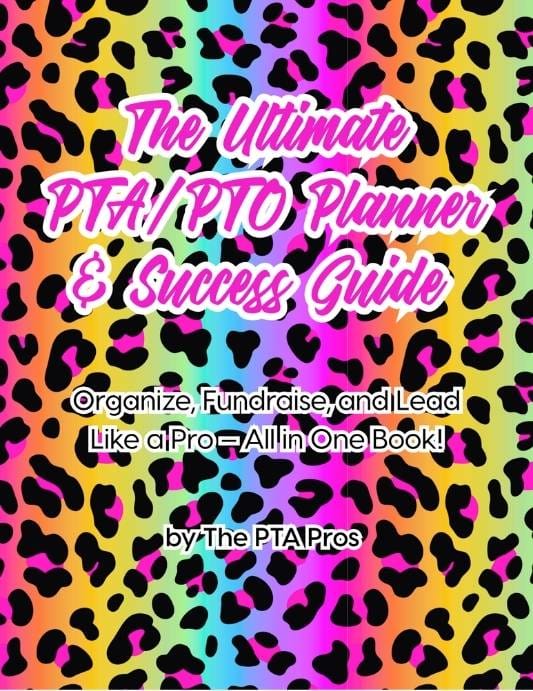
Here’s my Ultimate PTA Planner on Etsy
How to Set Up Your PTA Binder
You can use a physical 3-ring binder, a digital binder (Google Drive, Dropbox, OneDrive), or a hybrid. What matters most is consistent structure.
Recommended sections include:
- Cover page
- Table of contents
- Monthly calendar
- Meeting documents
- Financial section
- Committees
- Volunteers
- Fundraising
- Programs & events
- Communications
- Important contacts
- Policies & procedures
- End-of-year transition materials
Let’s break down what belongs in each one.
What to Include in Each PTA Binder Section
1. PTA Binder Overview (Quick Start Section)
Place this at the front of the binder.
Include:
- Current board roster
- Officer job descriptions
- PTA/PTO mission statement
- Current year goals
- Key dates for the year
- Map of binder sections
- Quick reference sheet (important logins, passwords stored securely, school contacts)
This is the “snapshot” that any leader can look at and instantly understand your organization’s structure.
2. Meetings Section
This part of your PTA binder should include everything related to meetings:
- Approved meeting schedule for the year
- Agendas (past and upcoming)
- Minutes from all meetings
- Attendance sheets
- Committee reports submitted for meetings
- Principal’s updates
- Membership vote results
- Motions passed and amendments
Pro tip: File meeting documents chronologically so transitions are easy.
3. Finances Section
This is one of the most important parts of your PTA binder.
Include:
- Current year budget
- Monthly treasurer reports
- Bank statements (with account numbers redacted)
- Check request / reimbursement forms
- Deposit forms
- Copies of receipts for major expenses
- Fundraiser financial reports
- Year-end financial review or audit
- IRS and state nonprofit filings
- Insurance documents
Your treasurer may maintain a more detailed binder, but your main PTA binder should include summary-level documents and the financial trail needed for transparency.
4. Committees Section
This section documents each committee’s responsibilities and progress.
Include:
- Committee charters or descriptions
- Chairs and member lists
- Meeting notes
- Plans and timelines
- Budget allocation for each committee
- Tasks list for ongoing work
- Past-years’ handouts or lessons learned
Committees often struggle with turnover—this section solves that.
5. Volunteers Section
Volunteers are the lifeline of PTA work. This section should include everything needed to nurture your volunteer pipeline.
Include:
- Volunteer interest forms
- Contact lists
- Sign-up sheets
- Background check / clearance requirements (if applicable)
- Role descriptions (room parent, event helper, committee volunteer, etc.)
- Training materials
- Appreciation plans (monthly or seasonal)
Keeping volunteer information organized helps you recruit and retain support more efficiently.
6. Fundraising Section
All fundraising details should be kept in one place so future boards understand what worked and what didn’t.
Include:
- Overview of fundraising goals
- Fundraiser calendars
- Contracts with vendors
- Copies of marketing materials
- Volunteer sign-ups
- Income and expense reports
- Debrief notes after each event
Add a “Lessons Learned” page where you document quick notes like:
- “Start earlier next year”
- “Need more volunteers for set-up”
- “Move the prize table outside—traffic flow is better”
This section becomes more valuable every year.
You might also like Easy School Fundraisers to Run With Only a Few Volunteers
7. Events and Programs Section
This is where your PTA binder starts acting like a playbook for every major program.
Include:
- Event flyers
- Planning timelines
- Supply lists
- Contact lists for vendors or presenters
- Set-up diagrams (lunch tables, booths, etc.)
- Copies of communication sent home
- Day-of schedules
- Volunteer assignments
- Debrief notes for next year
Common programs to include:
- Back to School Night
- Book Fair
- Trunk-or-Treat
- Holiday Shop
- Jog-a-Thon
- Read-a-Thon
- Teacher appreciation week
- Family Nights (STEM night, bingo, literacy night)
This section ensures nobody ever has to “start from scratch” again.
8. Communications Section
This part of your PTA binder focuses on how your parent group communicates with families.
Include:
- Sample newsletters
- Email templates
- Social media guidelines
- Official PTA letterhead
- Branding or style guidelines (fonts, colors, logo files)
- Screenshot examples of well-performing posts
- QR codes commonly used
Communication consistency strengthens your school’s engagement.
9. Policies and Procedures Section
This is where you store the important rules that govern your parent group.
Include:
- Bylaws
- Standing rules
- District or state PTA policies
- School district facility use rules
- Safety procedures
- Volunteer guidelines
- Conflict of interest policy
- Reimbursement rules
- Field trip or event policies
Having these documents available helps prevent misunderstandings and ensures compliance.
10. Contacts and Resources Section
This is your quick-access directory.
Include:
- School administration contacts
- Teacher representatives
- Committee chairs
- Vendor contacts
- Sponsor contacts
- Community partners
- Local businesses that donate services or items
- PTA council or district officers
The more complete this section, the easier your job becomes.
11. End-of-Year Transition Section
Strong PTA groups plan for smooth transitions.
Include:
- End-of-year report for each officer and committee
- Recommendations for next year
- Password transfer checklist
- Binder update checklist
- Final budget and year-end financial report
- Inventory checklist for supplies
This section alone can save the next board months of confusion.
Tips for Keeping Your PTA Binder Updated
- Review it monthly
- Add new forms and documents as you receive them
- Remove outdated papers
- Use color-coded tabs
- Store digital copies for easy sharing
- Back up your digital binder regularly
- Keep a “needs updating” sticky note for quick edits
- Make sure every board member knows where the binder is kept
A binder only works if it stays current.
FAQ: PTA Binder Essentials
Do we need both a digital and physical PTA binder?
It’s ideal but not required. Many groups keep a digital binder for accessibility and a physical binder for meetings.
Who is responsible for maintaining the PTA binder?
Usually the secretary, but each board member contributes to relevant sections.
Should every committee have its own binder?
Yes—especially major committees like fundraising, hospitality, and programs. Your main binder serves as the master reference.
What’s the biggest mistake PTA leaders make with binders?
Not updating them throughout the year or letting documents get lost in email instead of being filed.
How early should a new officer receive the binder?
Immediately upon election so they have the full summer to review.
You might also like:
PTA vs PTO: What’s the Actual Difference? (Simple Explanation)
How to Build a Yearlong Master Plan for Your PTA/PTO
Using a Clear PTA Meeting Agenda So it Ends on Time
Simple PTO/PTA Budget Guide for New Parent Leaders
Leave a Reply
You must be logged in to post a comment.